

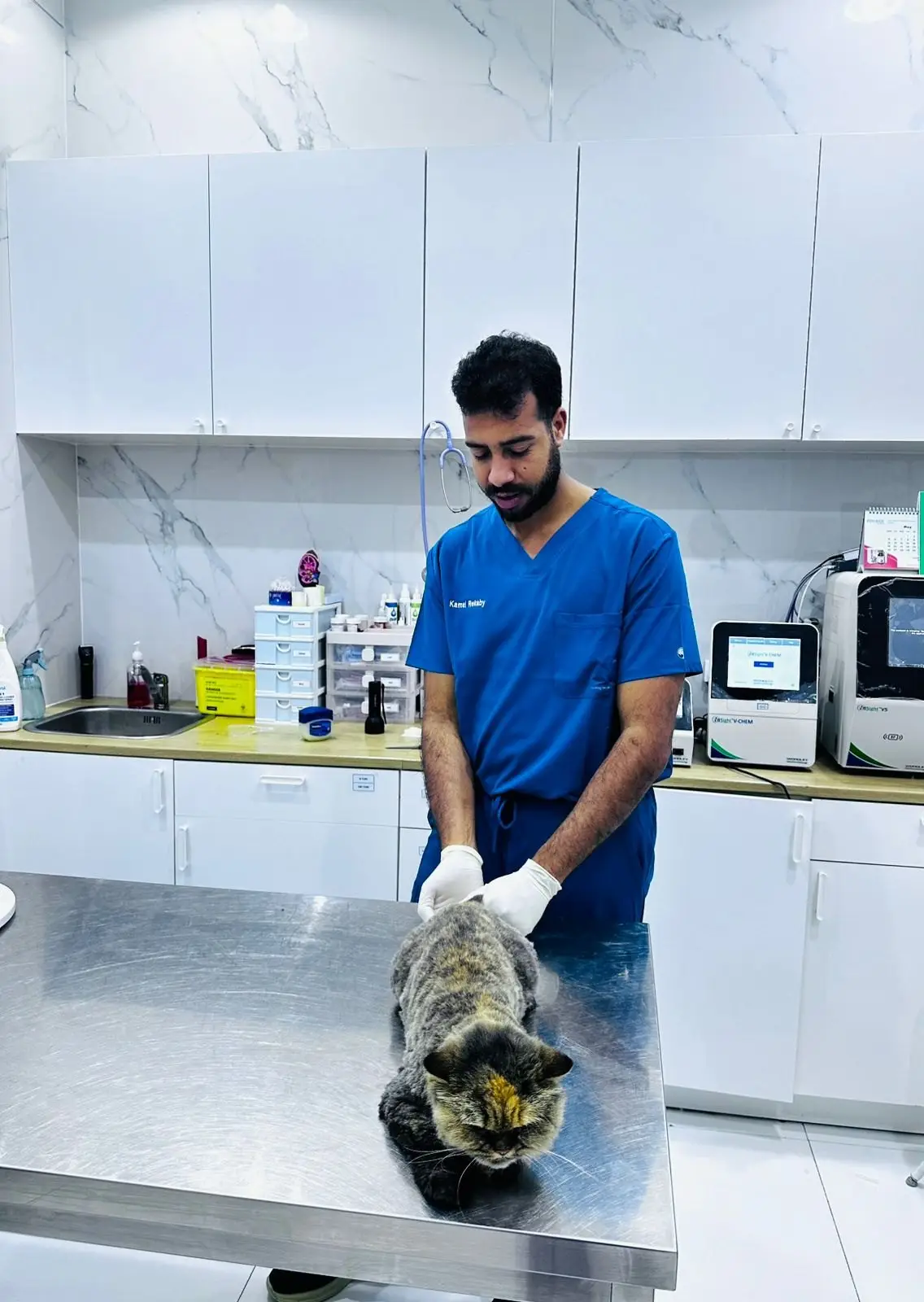
Flat-faced dogs and cats can have a general anaesthetic, but the risk is higher than for a long-nosed animal of the same age. Most of the extra risk sits in the airway, and most problems happen while the animal is waking up, not during the operation itself.
That matters in Dubai. Persians, Exotic Shorthairs, Pugs, French Bulldogs and Shih Tzus fill a large share of the city's flats. Many of them will need an anaesthetic at some point for neutering, dental work or an injury.
Why a short face changes the anaesthetic
The skull is shorter but the soft tissue inside it is not. The same amount of palate, tongue and throat lining is packed into less space. Vets call the result brachycephalic obstructive airway syndrome.
It usually has several parts:
- Narrow nostrils that let in less air with each breath.
- A soft palate that is too long and hangs into the opening of the windpipe.
- A windpipe that is narrow for the size of the dog, seen most in Bulldogs.
- Small pouches in the voice box that get pulled into the airway over time.
An awake dog copes by breathing with effort. You hear it as snoring, snorting and noisy panting. Sedation relaxes the throat muscles that were holding the airway open. The airway can then close at the exact moment the animal is least able to fix it.
The three risks that matter
Airway blockage before and after the breathing tube
During the operation a tube sits in the windpipe and the airway is secure. The exposed periods are the few minutes before the tube goes in and the longer period after it comes out. A drowsy Pug with a long palate can obstruct in recovery if nobody is watching.
Regurgitation
Flat-faced dogs bring stomach contents up more often than other dogs, awake and asleep. Many have a degree of reflux all the time. Fluid that comes up under anaesthetic can reach the lungs and cause pneumonia.
Overheating
Dogs lose heat by panting, and a narrow airway makes panting inefficient. A stressed French Bulldog heats up fast. Swollen, hot throat tissue narrows the airway further, which makes the dog pant harder.
What a clinic does differently
None of this is exotic. It is ordinary anaesthetic care applied more strictly, with more people watching.
- A proper look beforehand. The vet listens to the chest, watches the dog breathe at rest, and asks about snoring, exercise tolerance and vomiting. A pre-anaesthetic blood test is advised for most of these patients.
- Oxygen before induction. A few minutes of oxygen by mask builds a reserve, so a short delay in placing the tube is less dangerous.
- A fast, calm induction. The goal is a short gap between the animal falling asleep and the tube being in place. Smaller tube sizes are laid out in advance because the windpipe may be narrower than expected.
- Stomach protection. The vet may give medication to reduce nausea and acid. Fasting times are set for the individual, because an over-long fast can make reflux worse.
- The tube stays in late. In other breeds the tube comes out when swallowing returns. In flat-faced breeds it stays until the animal is lifting its head and can clearly manage alone.
- Someone stays with the patient. A nurse follows the anaesthetic and then watches recovery, with oxygen within reach, until the dog or cat is sitting up.
Procedure planning also changes. Where it is sensible, two jobs are done under one anaesthetic instead of two, such as dental treatment together with neutering. Flat-faced patients are booked early in the day so the whole recovery happens while the clinic is fully staffed.
Cats are affected too
Persians and Exotic Shorthairs have the same narrow nostrils and crowded throat, usually in a milder form than Bulldogs. They rarely pant, so owners notice less. The signs are noisy breathing in sleep, watery eyes and mouth breathing after play.
These breeds carry two other inherited problems that matter before an anaesthetic. Polycystic kidney disease is common in Persian lines and shows up on a kidney blood test or an ultrasound. A thickened heart muscle can exist with no outward sign. A murmur found on the morning of surgery is a reason to pause and investigate, not to press on.
The Dubai part, heat on either side of the operation
The anaesthetic risk starts in the car park. A Bulldog that walks across hot tarmac in August and arrives panting hard has a swollen airway before anyone touches him. That is a worse starting point for sedation.
- Cool the car before you bring the dog down from the flat.
- Carry small dogs from the car to the door. Do not wait outside.
- Use a harness, not a neck collar, on the day and for the week after.
- Keep the trip home short and go straight into an air-conditioned room.
- For the first evening, keep visitors, children and other animals away. Excitement causes panting.
Noisy breathing for a few hours after a breathing tube is common, because the throat lining is slightly swollen. It should be improving by bedtime, not getting louder.
Questions to ask before you book
A clinic should be able to answer these without hesitation. Ask who monitors the anaesthetic and whether that person does anything else at the same time. Ask when the breathing tube comes out. Ask who is with your dog in recovery, and for how long. Ask what would make them postpone.
At Petflix a nurse follows every anaesthetic, and you receive a written estimate before any procedure. The estimate lists the blood test, the anaesthetic and the medication separately. Current figures for common surgery in our Ras Al Khor clinic are on the price list.
Some dogs breathe so poorly that the safer plan is airway surgery first. Widening the nostrils and shortening the palate can sometimes be combined with neutering under one anaesthetic. The vet will tell you if your dog is in that group after examining him.
When to call after an anaesthetic
Call 055 620 4085 the same hour if your flat-faced dog or cat shows any of these after coming home. The phone is answered 24 hours, and the clinic is open 8 AM to 12 AM every day.
- Breathing that is getting noisier or more laboured, or gums and tongue turning blue or grey.
- Panting that does not settle within 10 minutes in a cool room.
- Repeated vomiting or bringing up fluid, especially with a new cough.
- Collapse, or not being able to settle and lie down.
Keep your dog cool and calm, do not offer food or water, and come in. Tell the nurse on the phone that the patient is flat-faced and had an anaesthetic today.